Imagine a world where your small business runs like a well-oiled machine, where stock levels are always accurate, and inventory mishaps are a thing of the past. Sounds like a dream? Not anymore! Welcome to the game-changing realm of simple inventory systems, designed specifically for small businesses that crave efficiency and growth. These systems are not just a luxury but a necessity for businesses eager to scale.
In today’s fast-paced market, staying competitive means more than just offering great products or services. It requires an agile approach to managing your resources, ensuring that you never miss a sales opportunity due to faulty inventory management. By embracing a simple yet effective inventory system, you open the doors to a world of possibilities—less stress, more accuracy, and ultimately, a healthier bottom line.
Introduction to Simple Inventory Systems
In the bustling world of small businesses, keeping track of inventory can mean the difference between success and chaos. Imagine a system that simplifies this crucial task, allowing business owners to focus on growth and customer satisfaction.
A simple inventory system is designed to manage stock levels, track product sales, and predict future inventory needs with ease. For small businesses, adopting such a system can pave the way for more streamlined operations and greater profitability.
The Importance of Inventory Management for Small Businesses
Inventory management is the backbone of a small business’s operational efficiency. With a well-structured approach, businesses can minimize waste, reduce costs, and ensure that products are available to meet customer demand. Without proper management, companies often face issues like overstocking or stockouts, leading to financial stress and lost sales opportunities.
Overview of a Simple Inventory System
A simple inventory system offers intuitive interfaces and basic functionalities tailored to small business needs. It often includes features such as real-time stock tracking, automated reorder alerts, and inventory reports. By leveraging technology, these systems reduce manual labor and human error, making inventory management a breeze.
Challenges Without an Inventory System
Small businesses without an inventory system encounter several hurdles. The most common issues include inaccurate stock levels, difficulty in tracking product movement, and inefficient order fulfillment. These challenges can lead to customer dissatisfaction and hinder business growth. A simple inventory system addresses these challenges by providing a streamlined, accurate, and efficient way to manage inventory.
Key Features of an Effective Inventory System
In the bustling world of small businesses, maintaining a streamlined inventory system is crucial for success. An effective inventory system not only tracks your stock but also ensures you’re never caught off guard.
From real-time updates to automation, the right features make all the difference. Let’s explore what makes an inventory system tick!
Essential Features for Seamless Inventory Management
For any small business, an inventory system should be easy to use yet powerful enough to provide comprehensive insights. Here are some must-have features that can make inventory management a breeze:
- Real-Time Tracking: Stay up-to-date with stock levels and movements.
- User-Friendly Interface: Simplify operations with an intuitive and easy-to-navigate platform.
- Robust Reporting Tools: Generate detailed reports to help make informed decisions.
- Integration Capabilities: Sync with other tools like POS systems or e-commerce platforms for seamless operations.
Comparing Inventory Systems for Small Businesses
Choosing the right system can be daunting with so many options available. Here’s a quick comparison to help you decide:
| System Type | Key Benefits | Ideal For |
|---|---|---|
| Spreadsheet-Based | Cost-effective and simple for very small inventories | Startups, Micro Businesses |
| Cloud-Based Software | Scalable, accessible from anywhere, real-time updates | Growing Small Businesses |
| Dedicated Inventory Software | Comprehensive features, customization, automation | Businesses with complex inventory needs |
Automation: Your Secret Weapon in Inventory Management
Automation is no longer a luxury, but a necessity for efficient inventory management.
“Automation transforms chaos into organized harmony.”
Here’s how it can enhance your inventory processes:
First, automation reduces manual errors, saving time and improving accuracy. With automated alerts, you’re instantly notified about low stock levels, ensuring you’re never out of popular products. Moreover, it allows you to set up recurring tasks such as order placements, freeing up your resources for other critical areas of your business.
Embracing automation could be the catalyst for your small business to scale new heights, bringing precision and efficiency to your inventory management.
Implementing a Simple Inventory System
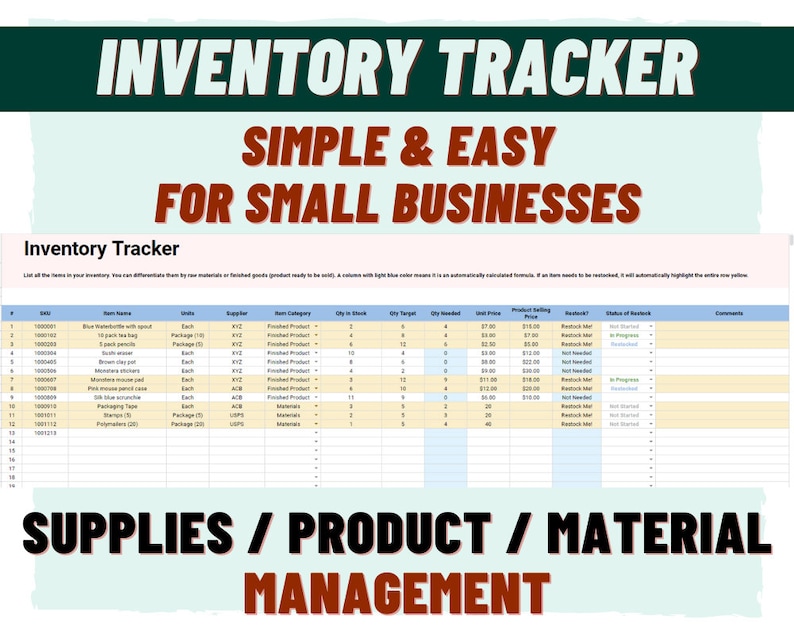
Are you ready to transform chaos into clarity? Implementing a simple inventory system is the key to unlocking efficiency for your small business. Let’s dive into the steps that will set you on the path to streamlined success.
From selecting the right software to establishing best practices, creating an inventory system is not just about tracking products—it’s about empowering your business to thrive with precision and ease.
Step-by-Step Guide to Setting Up Your Inventory System
Starting from scratch can be daunting, but fear not! Here’s a simple guide to get your inventory system up and running smoothly:
- Define Your Inventory Needs: Identify which products you need to track and categorize them based on your business model.
- Select the Right Tools: Choose a software solution that matches your business size and complexity.
- Organize Your Inventory Space: Set up a logical layout for storage that facilitates easy access and counting.
- Input Initial Data: Record all current stock levels accurately to establish a reliable baseline.
- Establish Procedures: Develop protocols for receiving, tracking, and managing inventory to maintain accuracy.
Examples of Software Solutions for Small Businesses
With a plethora of software options available, picking the right one is crucial for your inventory management success. Here’s a quick look at some popular choices:
| Software | Features | Price Range |
|---|---|---|
| Zoho Inventory | Multi-channel selling, order management, integrated CRM | Free – $299/month |
| QuickBooks Commerce | Automated inventory tracking, sales order management, cloud-based | $20 – $150/month |
| Square for Retail | Real-time inventory updates, comprehensive reporting, POS integration | Starting at $0/month |
Best Practices for Maintaining Accurate Inventory Records
Consistency is key when it comes to inventory accuracy. Here are essential practices to ensure your records are always reliable:
- Regular Audits: Conduct inventory audits periodically to reconcile physical stock with recorded data.
- Automate Processes: Utilize technology to automate stock updates and minimize human error.
- Train Your Team: Ensure all staff are well-trained in inventory management procedures.
- Monitor Inventory Levels: Use analytics to track inventory trends and adjust purchasing accordingly.
“An organized inventory system isn’t just about counting products—it’s about counting on success.”
Benefits of Using a Simple Inventory System
In the fast-paced world of small businesses, managing inventory efficiently can be the difference between success and failure. A simple inventory system not only streamlines operations but also unlocks numerous advantages that can propel your business forward.
By implementing a straightforward inventory system, businesses can minimize costly mistakes, save valuable time, and significantly reduce operational expenses. These systems shine in their ability to provide clarity and control over stock levels, ensuring that businesses are always equipped to meet customer demand without overstocking.
Reducing Errors and Saving Time
Every minute saved is a minute earned in the business world. A simple inventory system provides tools that automate routine tasks, such as tracking stock levels and generating reports. This automation drastically cuts down on human error, which can occur with manual data entry.
- Real-time stock updates reduce the risk of stockouts and overstock.
- Automated alerts ensure restocking happens just in time.
The system not only makes these tasks faster but also ensures accuracy, leading to a more reliable inventory process. This reliability helps in making informed purchasing decisions, enhancing both efficiency and productivity.
Cost-Effectiveness for Small Businesses
Investing in a complex inventory management system might not be feasible for small businesses. Fortunately, simple inventory systems offer a cost-effective solution that meets basic needs without breaking the bank. They provide scalable solutions that grow with your business, offering a great return on investment.
“A simple inventory system is the backbone of efficiency; it cuts costs without cutting corners.”
With fewer resources spent on managing inventory manually, small businesses can redirect their focus and funds towards growth and innovation, making the inventory system a valuable asset in their toolkit.
Case Studies and Success Stories
Imagine a world where inventory management isn’t a chaotic burden but an intuitive process that propels your business forward. This is not a dream but a reality for many small businesses. By integrating simple inventory systems, they’ve paved the way for smoother operations and unprecedented growth.
In this section, we’ll explore the transformative stories of small businesses that have embraced inventory management solutions, illustrating the tangible benefits and inspiring others to follow suit.
Transformative Impact of Inventory Systems
Consider the story of Green Thumb Garden Supplies, a small business focused on delivering quality gardening tools and accessories. Before adopting a simple inventory system, they struggled with inaccurate stock levels and frequent over-ordering. After implementation, they reported a 25% reduction in excess inventory and a 15% increase in sales due to better stock management.
Another success story comes from Sweet Tooth Bakery. Prior to using an inventory system, they frequently ran out of key ingredients, causing delays and lost sales. By utilizing a straightforward inventory solution, they managed to reduce ingredient shortages by 40% and increased their order fulfillment rate to an impressive 98%.
Real Results, Real Feedback
The testimonials from business owners echo the success of these systems.
“Implementing an inventory system was a game-changer for us. It simplified our tracking process and improved our efficiency tenfold,”
says John, owner of Green Thumb Garden Supplies.
Similarly, Lisa from Sweet Tooth Bakery shares,
“We no longer worry about running out of supplies. Our inventory system keeps everything in check and allows us to focus on baking the best treats.”
These stories are not just about improvements in numbers but a shift towards a more organized and confident business operation.
Troubleshooting and Maintenance
Keeping your inventory system running smoothly requires proactive attention and a keen eye for detail. As small businesses grow, they may encounter common issues, but with the right strategies and maintenance practices, these can be easily managed.
Understanding common problems and setting up preventative measures not only saves time but also ensures that your inventory system remains reliable and efficient. Let’s explore the best practices for troubleshooting and maintaining a simple inventory system that propels your business forward.
Strategies for Addressing Common Inventory Issues
Every inventory system, no matter how robust, can face challenges. Some of the most common issues include inaccurate stock levels, data entry errors, and system downtime. To combat these, businesses can implement routine audits and automated alerts to flag discrepancies early.
- Conduct regular stock counts to ensure data accuracy.
- Implement double-check systems where multiple team members verify data entries.
- Utilize automated software notifications for low stock and reorder points.
- Establish clear protocols for data entry and inventory checks.
Maintenance Procedures for Smooth Operations
A well-maintained inventory system is the backbone of efficient operations. Regular maintenance procedures help in identifying potential issues before they escalate. Keep your system updated with the latest features and security patches to avoid disruptions.
- Schedule weekly system backups to prevent data loss.
- Update software regularly to incorporate new features and security improvements.
- Ensure hardware used for inventory management is checked and serviced quarterly.
- Train staff regularly on new system updates and functionalities.
Checklist for Regular System Updates and Audits
Having a checklist ensures consistency and thoroughness in maintaining your inventory system. This checklist should be a part of your business’s standard operating procedures.
- Perform monthly audits for stock level accuracy.
- Review system logs weekly for any unauthorized access attempts.
- Check and update user permissions and access levels regularly.
- Ensure that all inventory transactions are recorded and reconciled monthly.
“An ounce of prevention is worth a pound of cure.” – Benjamin Franklin
By adopting these best practices, your simple inventory system will continue to be a powerful tool in optimizing your small business operations.
Summary
In the end, a simple inventory system is not just a tool but a strategic partner in your business journey. It empowers you to make informed decisions, streamline operations, and focus on what truly matters—growing your business. Don’t let inventory chaos hold you back. Take the leap, implement a system that works, and watch your small business thrive beyond your wildest expectations.

