Imagine a world where your business operations run smoothly, your stock levels are always optimized, and your team is free from the chaos of inventory mishaps. Welcome to the transformative realm of inventory systems that not only save your sanity but also elevate your business to new heights.
In this guide, we’ll unravel the secrets of successful inventory management, showcasing how innovative systems are revolutionizing the way businesses function. Get ready to explore strategies that will not only streamline your inventory but also enhance your business’s efficiency and profitability in ways you never thought possible.
Understanding Inventory Systems
In the bustling world of business, keeping track of products, raw materials, and stock levels is crucial to success. That’s where inventory systems shine as the unsung heroes of your operations.
Inventory systems are meticulously designed to manage and track your stock, ensuring that you have the right products, in the right quantities, at the right time. With the right system in place, you can streamline operations, reduce costs, and satisfy customer demands efficiently.
Types of Inventory Systems
There are various types of inventory systems that cater to different business needs. Let’s explore some popular options:
| Type | Description | Use Cases |
|---|---|---|
| Perpetual Inventory System | Keeps real-time inventory updates for accurate stock levels. | Ideal for retail businesses with rapid sales cycles. |
| Periodic Inventory System | Updates inventory records at specific intervals. | Suitable for small businesses with stable demand. |
| Just-In-Time (JIT) System | Minimizes stock by receiving goods only as needed. | Best for manufacturing industries aiming to reduce waste. |
Advantages of Automated Inventory Systems
Transitioning to automated inventory systems can be a game-changer for businesses. Here’s why they stand out:
Efficiency and Accuracy: Automated systems reduce human error by providing precise, real-time data that manual methods simply can’t match. Say goodbye to discrepancies and
rest easy knowing your stock levels are always accurate.
Time-Saving: Automated systems streamline processes, allowing your team to focus on growth rather than tedious stock checks. Reallocate your resources to innovation and customer service instead.
Data-Driven Insights: With an automated system, gain valuable insights into trends and patterns that can drive strategic decisions. Unlock the potential of your inventory data and
transform information into action.
Features of Efficient Inventory Systems
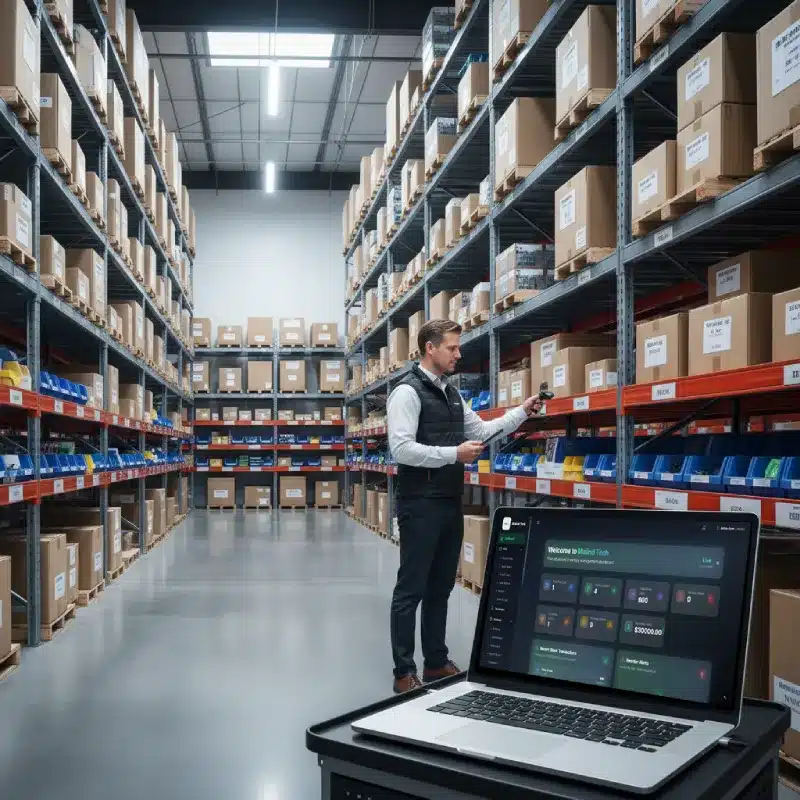
Inventory systems are the unsung heroes behind seamless business operations, quietly ensuring that every product is accounted for and every customer is served. But what exactly makes these systems click?
Efficient inventory systems are designed with the end-user in mind, providing tools and functionalities that not only simplify processes but also enhance the overall workflow of any business. Let’s dive into what makes these systems truly efficient and user-friendly.
Streamlined User Interfaces
A system’s interface can make or break the user experience. Intuitive and streamlined user interfaces allow employees to navigate inventory tasks with ease, reducing the need for extensive training. This includes a clean layout, accessible menus, and clear labeling of functions.
Responsive Column Designs for Data Visualization
Data visualization plays a critical role in understanding inventory levels. Responsive column designs ensure that data is presented effectively across different devices. This adaptability not only improves accessibility but also enhances decision-making by displaying key metrics clearly, whether you’re on a desktop or a smartphone. Imagine having live insights at your fingertips, no matter where you are.
Challenges Faced Without Proper Inventory Systems
Without a robust inventory system, businesses often grapple with issues that can lead to operational inefficiencies. Here are some common challenges:
- Lack of real-time data results in ineffective decision-making.
- Increased risk of stockouts or overstock situations, harming customer satisfaction.
- Complicated manual tracking can lead to errors and financial discrepancies.
- Difficulty in scaling operations as the business grows.
“An efficient inventory system is the backbone of a thriving business. It transforms chaos into order.”
Inventory Management Techniques
In the dynamic dance of business operations, mastering inventory management is akin to orchestrating a symphony, where precision and timing are everything. To ensure a flourishing business, implementing effective inventory management techniques is essential.
Understanding the various strategies available can drastically enhance efficiency, reduce costs, and streamline operations. Let’s delve into the world of inventory management techniques and explore the options that can transform your business.
Exploring Diverse Inventory Control Methods
To effectively manage inventory, businesses can choose from a variety of methods tailored to their unique needs. Here’s a comparison of some key techniques:
- Just-In-Time (JIT): This technique reduces inventory costs by receiving goods only as they are needed in the production process.
- ABC Analysis: Prioritizes inventory items based on their value, ensuring that more resources are devoted to managing the most critical products.
- FIFO (First In, First Out): Ensures that the oldest inventory is used or sold first, minimizing waste and keeping products fresh.
- LIFO (Last In, First Out): Focuses on selling the most recently acquired inventory first, which can be beneficial in inflationary markets.
Each method offers distinct advantages and can be deployed based on specific business goals and industry demands. Choose wisely, for the right strategy can elevate your inventory management from a mere task to an art form.
Seamlessly Integrating a New Inventory System
Integrating a new inventory system into an existing business operation doesn’t have to be a daunting task. Follow these steps to ensure a smooth transition:
- Assessment: Begin with a thorough evaluation of current inventory practices to identify strengths and weaknesses.
- Selection: Choose a system that aligns with your business needs, considering factors like scalability and user-friendliness.
- Training: Invest in comprehensive training for your team to ensure that everyone is comfortable with the new system.
- Phased Implementation: Roll out the system in stages, allowing for adjustments and ensuring minimal disruption to operations.
- Monitoring and Feedback: Continuously monitor the system’s performance and solicit feedback from users to make necessary improvements.
By following these steps, businesses can transition smoothly to a new inventory system, achieving operational efficiency and
“transforming inventory chaos into business harmony.”
Cost-Benefit Analysis of Inventory Systems
Investing in the right inventory system can revolutionize your business operations, but how do you ensure you’re making the right choice? Performing a cost-benefit analysis is crucial to understanding the impact on both your budget and efficiency.
Evaluating the costs and benefits of inventory systems involves a detailed comparison of initial investments, operational expenses, and the potential savings that an advanced system brings to your business. By analyzing these factors, you can identify the most financially sound option that aligns with your business goals.
Performing a Detailed Cost-Benefit Analysis
To conduct a thorough cost-benefit analysis, begin by listing all potential costs associated with the inventory system. These include initial setup costs, licensing fees, maintenance charges, and training expenses. On the benefits side, consider factors like reduced labor costs, minimized stockouts, increased sales due to better stock management, and improved customer satisfaction.
Here’s a structured way to compare costs and benefits:
| Cost Factors | Potential Benefits |
|---|---|
| Initial Setup Costs | Improved Accuracy in Inventory Levels |
| Training Expenses | Enhanced Employee Productivity |
| Licensing Fees | Reduction in Stock Misplacements |
| Maintenance Charges | Faster Order Fulfillment |
Long-term Financial Benefits
Efficient inventory management doesn’t just offer immediate savings; it fosters long-term financial health. By investing in a reliable system, businesses can significantly decrease carrying costs, prevent overstock and understock situations, and improve cash flow. Over time, these advantages accumulate, leading to substantial financial benefits that far exceed initial expenditures.
“The right inventory system is not just an expense; it’s an investment in the future profitability of your business.”
By understanding the intricate balance between costs and benefits, you can make informed decisions that will save your business money while enhancing operational efficiency.
Technology and Innovation in Inventory Systems
In today’s fast-paced business environment, the integration of cutting-edge technology into inventory systems is not just a luxury—it’s a necessity. Innovations are transforming how businesses maintain efficiency and accuracy in inventory management.
From AI-driven forecasting to blockchain-enabled transparency, technology is reshaping inventory systems into sophisticated networks that enhance productivity and reduce errors.
Revolutionary Technologies in Inventory Management
Modern inventory systems are increasingly powered by advanced technologies that optimize operations. Automation, for instance, enables businesses to perform tasks with minimal human intervention, improving speed and accuracy. Technologies such as the Internet of Things (IoT) allow for real-time tracking of inventory, ensuring that data is always up-to-date and easily accessible.
Here are some groundbreaking technologies that are redefining inventory management:
- Blockchain: Enhances transparency and traceability, providing a secure and immutable ledger of inventory transactions.
- Robotics: Robots are now used in warehouses to streamline picking and packing processes.
- RFID (Radio Frequency Identification): Allows for non-contact data collection, significantly speeding up identification and tracking.
Innovative Inventory Solutions
The application of innovative solutions is crucial for businesses aiming to stay ahead. Cloud-based inventory management systems, for example, provide flexibility and scalability, allowing businesses to adapt to changing demands without significant infrastructure investments. These systems often come equipped with integrated analytics to offer insightful data on inventory trends.
Some remarkable solutions include:
- Automated Storage and Retrieval Systems (AS/RS): These systems automatically place and retrieve inventory items, reducing labor costs and increasing efficiency.
- Predictive Inventory Systems: Utilizing algorithms to forecast future stock needs, minimizing overstock and stockouts.
The Role of AI and Machine Learning
AI and machine learning (ML) are at the forefront of inventory management innovation. These technologies offer unprecedented capabilities in data analysis and pattern recognition, allowing for smarter decision-making. With AI, businesses can predict demand more accurately, optimize stock levels, and even anticipate potential disruptions in the supply chain.
Machine learning algorithms can continuously analyze sales data to identify patterns and trends, enabling businesses to adjust their strategies in real-time. This capability results in more efficient resource allocation and improved customer satisfaction.
| Technology | Benefit |
|---|---|
| AI and ML | Enhanced forecasting accuracy and optimized stock levels |
| IoT | Real-time inventory tracking and seamless data integration |
| Blockchain | Increased transparency and secure transaction records |
“In the world of inventory management, technology is not just an enabler—it’s a game-changer.”
Case Studies
In the realm of business operations, the transformation that effective inventory systems can bring is nothing short of revolutionary. Through examining real-world examples, we illuminate the pathways to success and the strategies that led to remarkable outcomes.
These case studies showcase businesses that have not only streamlined their operations but have also unlocked new potential for growth and efficiency through the adoption of innovative inventory systems.
Transforming Retail Operations with Just-In-Time Inventory
ABC Retail, a mid-sized retail chain, faced significant challenges with overstocking and outdated inventory, leading to high holding costs and reduced cash flow. In response, they implemented a Just-In-Time (JIT) inventory system, allowing them to order stock as needed rather than maintaining large inventories.
- The shift to JIT reduced their holding costs by 35% within the first year.
- Lead times for restocking were cut by 50%, enhancing their responsiveness to market demand.
“By optimizing our inventory flow, we reallocated resources to more strategic areas, driving a 20% increase in overall profitability.”
Enhancing Manufacturing Precision with Real-Time Tracking
At XYZ Manufacturing, inefficiencies and errors due to lack of real-time visibility into inventory levels were causing production delays. By integrating a real-time inventory tracking system, they gained unprecedented visibility into their stock levels.
| Parameter | Before Implementation | After Implementation |
|---|---|---|
| Order Fulfillment Time | 7 days | 3 days |
| Inventory Accuracy | 78% | 99% |
“Our production line efficiency skyrocketed by 45%, setting new standards in our operational benchmarks.”
Optimizing E-commerce Inventory with AI and Predictive Analytics
E-Shop, an online retailer, struggled with stockouts and excess inventory, affecting customer satisfaction and sales. They adopted AI-powered predictive analytics to forecast demand more accurately and adjust inventory levels accordingly.
- Stockout incidents decreased from 15% to 2% over six months.
- Customer satisfaction scores improved by 30% due to increased product availability.
“Harnessing AI has reshaped our inventory management, aligning our stock levels with customer demand and reducing waste.”
Final Summary
As we conclude our journey through the intricacies of inventory systems, it’s clear that adopting the right tools and techniques can make a world of difference. By embracing cutting-edge technologies and effective management strategies, your business can achieve seamless operations and remarkable growth. It’s time to invest in an inventory system that not only meets your needs but also propels your business into a future full of promise and potential.

