Imagine a world where your business operations run seamlessly, your inventory is always up-to-date, and every product is accounted for with a click. This isn’t just a dream—it’s the reality that inventory software brings to the table. In today’s fast-paced market, the role of efficient inventory management cannot be overstated. It is the backbone of a successful business, ensuring that stock levels meet demand without overstocking or understocking, ultimately making life easier for businesses of all sizes.
From its nascent stages as simple record-keeping tools to its evolution into advanced, AI-enabled platforms, inventory software has revolutionized how businesses operate globally. It’s no longer about managing what’s in the warehouse; it’s about strategic planning and using analytics to drive profitability. Join us on this journey to explore how inventory software not only enhances efficiency but also transforms business strategies into success stories.
Introduction to Inventory Software for Business
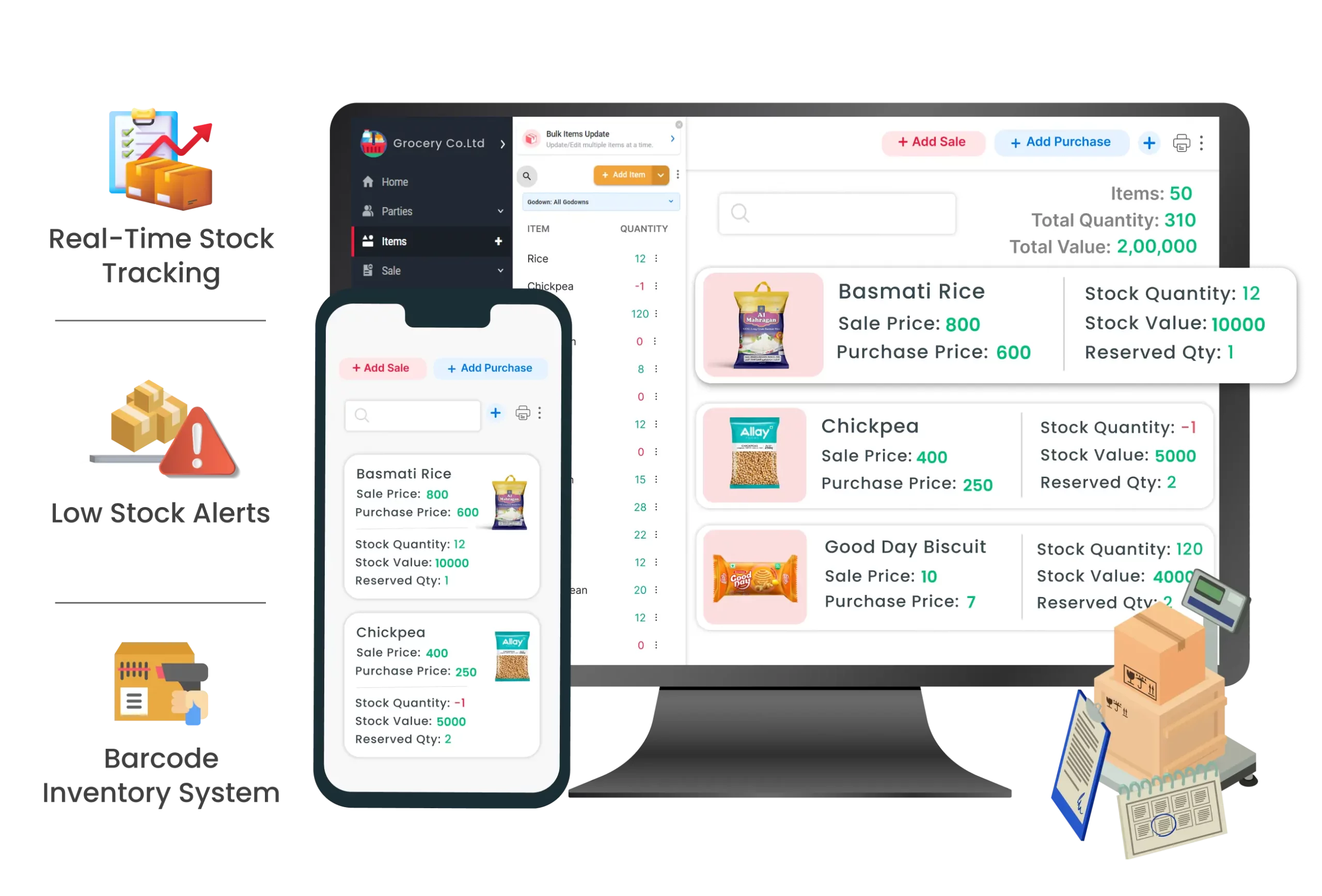
In the dynamic world of business, inventory software plays a vital role in streamlining operations and driving efficiency. It’s the secret weapon that keeps companies organized, responsive, and competitive.
Inventory software serves as the backbone of modern business operations, transforming the way companies manage their stock, track orders, and fulfill customer demands. By automating routine tasks and offering real-time insights, it frees up valuable resources and minimizes human error, ultimately enhancing productivity and profitability.
The Evolution of Inventory Management Systems
Once upon a time, inventory management was a cumbersome task dominated by labor-intensive processes. The digital revolution, however, ushered in a new era where technology takes the wheel, propelling businesses towards unprecedented levels of efficiency. Early systems were basic, focused solely on stock-keeping. As technology advanced, these systems evolved into sophisticated platforms capable of integrating with other business applications, providing insights that were previously unimaginable.
“Inventory software is not just a tool; it’s a strategic asset that empowers businesses to operate smarter and faster.”
This evolution reflects a shift from reactive to proactive inventory management, where businesses can anticipate demands, optimize stock levels, and reduce waste. The journey from manual to automated systems marks a significant leap in the quest for operational excellence.
Key Features of Inventory Software
In the bustling world of business, keeping track of every item, from pens to products, can be a monumental task. This is where inventory software steps in, acting as the silent partner that works tirelessly behind the scenes.
Designed to streamline processes and enhance efficiency, inventory software provides a robust platform that transforms chaos into order. Embrace the revolution of real-time tracking and forecasting that brings accuracy and foresight to inventory management.
Critical Features of Inventory Software
Each feature of inventory software serves a unique purpose, stitching together a comprehensive system tailored for success. Understanding these features is crucial for businesses aiming to optimize their operations and achieve seamless workflow management.
| Feature | Description | Benefits | Examples |
|---|---|---|---|
| Real-Time Tracking | Monitors inventory levels instantly, updating data as transactions occur. | Ensures accuracy, reduces stockouts, and improves customer satisfaction. | Live dashboard updates, automated stock level alerts. |
| Forecasting | Predicts future inventory needs based on historical data and trends. | Optimizes stock levels, minimizes overstock and understock scenarios. | Predictive analytics, trend analysis reports. |
| Inventory Alerts | Sends notifications for low stock levels or other inventory issues. | Prevents stockouts, ensures timely restocking. | Email/SMS alerts, push notifications. |
| Automated Reordering | Triggers purchase orders when stock levels fall below a set threshold. | Saves time, reduces manual intervention, ensures stock availability. | Auto-generated purchase orders, supplier integration. |
Importance of Real-Time Tracking and Forecasting
The ability to track stock in real-time is transformative. It’s not just about knowing what you have; it’s about predicting what you’ll need. This foresight can significantly cut costs and boost efficiency. Imagine a system where every sale updates your inventory count instantly, informing both your supply chain decisions and your marketing strategies.
“Real-time tracking and forecasting are the lifeblood of modern inventory management, seamlessly blending technology with efficiency.”
By leveraging forecasting tools, businesses can anticipate demand fluctuations and adapt proactively. This strategic advantage not only safeguards against stock shortages but also positions companies to capitalize on market opportunities through intelligent inventory management.
Benefits of Implementing Inventory Software
In the fast-paced world of business, every minute counts. Inventory software emerges as a beacon of efficiency, transforming traditional stock management into a seamless operation.
Implementing state-of-the-art inventory software not only streamlines operations but also empowers businesses to unlock their full potential.
Transformative Impact on Cost Reduction and Profit Maximization
Inventory software acts as a silent partner, working tirelessly behind the scenes to ensure your business remains competitive. By harnessing real-time data and analytics, companies can make informed decisions that lead to substantial cost savings and amplified profit margins. This software seamlessly integrates into existing systems, reducing the need for manual intervention and minimizing costly human errors.
With features such as automated stock monitoring, forecasting, and replenishment, businesses can optimize their inventory levels—ensuring that capital is not tied up in excess stock, while simultaneously avoiding stockouts that could lead to missed sales opportunities.
Advantages Across Business Sectors
Discover how inventory software reshapes industries, delivering tailored benefits to each sector:
- Retail: Real-time stock updates reduce shrinkage and optimize shelf space.
- Manufacturing: Streamlined supply chain management aligns production schedules with demand forecasts.
- Healthcare: Ensures critical medical supplies are available when needed without overstocking.
- Food and Beverage: Minimizes waste by tracking expiration dates and managing perishable inventory efficiently.
- Logistics: Enhances order accuracy and delivery timelines through precise inventory tracking.
“In the realm of business, inventory software is not just an option—it’s a necessity that propels companies toward operational excellence.”
Different Types of Inventory Software Solutions
In today’s fast-paced business environment, choosing the right inventory software can be a game-changer. Whether you’re a startup or a multinational corporation, an effective inventory system is crucial for optimizing business operations.
Inventory software solutions come in various forms, each designed to meet specific business needs and scales. Understanding the different types can help businesses make informed decisions that align with their unique requirements.
Exploring the Spectrum of Inventory Software Solutions
Inventory software solutions can be broadly categorized based on their complexity, features, and the scale of the business they are designed to serve. From simple spreadsheet-based tools to sophisticated, AI-driven platforms, the options are vast and varied:
- Basic Inventory Tools: Ideal for small businesses or startups, these solutions often include simple, user-friendly interfaces and essential tracking features. They are cost-effective and easy to implement.
- Advanced Inventory Systems: Suitable for medium-sized enterprises, these systems offer comprehensive features such as real-time tracking, automated reordering, and detailed analytics.
- Enterprise Resource Planning (ERP) Systems: Tailored for large businesses, these systems integrate inventory management with other business processes, offering a holistic view of operations.
Comparing Inventory Software for Different Business Sizes
Each type of inventory software comes with its own set of features and costs. Here’s a comparison to help you choose the right solution:
| Type | Target Business Size | Key Features | Cost Range |
|---|---|---|---|
| Basic Inventory Tools | Small | User-friendly interface, Essential tracking | $0 – $100/month |
| Advanced Inventory Systems | Medium | Real-time tracking, Automated reordering, Analytics | $100 – $500/month |
| ERP Systems | Large | Integration with other processes, Comprehensive analytics, Customization | $500/month and above |
With the right inventory management solution, businesses can not only streamline operations but also gain a strategic advantage in their market. As the famous quote goes,
“You can’t manage what you can’t measure.”
Implementation Strategies for Inventory Software
Implementing inventory software is a transformative journey that can elevate business operations to new heights. The key to success lies in a well-structured strategy tailored to the unique needs of your organization.
Let’s explore the critical strategies and steps involved in seamlessly integrating inventory software with your existing business systems, ensuring you unlock its full potential.
Seamless Integration with Existing Systems
Integrating inventory software with your current systems requires careful planning and execution. Start by analyzing your existing infrastructure and identifying compatibility requirements. This step is crucial to maintain the continuity and accuracy of your data.
- Assessment: Evaluate your current systems to understand compatibility and integration needs.
- Customization: Tailor the software to fit seamlessly into your existing processes.
- Data Migration: Ensure a smooth transition of data to avoid discrepancies and loss.
- Testing: Conduct thorough testing to validate the integration and iron out any issues.
Training Staff for Maximized Efficiency
Successful implementation is not just about the software itself but also about empowering your team to use it effectively. Training is an investment in your workforce that pays off in efficiency and productivity.
- Comprehensive Training: Provide detailed training sessions tailored to different roles within your organization.
- Ongoing Support: Establish a support system for troubleshooting and continuous learning.
- Feedback Loop: Create channels for employees to provide feedback and share insights.
-
“Empowered employees are the backbone of efficient software use.”
Maintaining Software Efficiency Post-Implementation
Once the software is up and running, maintaining its performance is vital. Regular updates and performance checks ensure that your investment continues to deliver value.
- Regular Updates: Keep the software up-to-date with the latest features and security patches.
- Performance Monitoring: Continuously monitor the system to identify and address any bottlenecks.
- Scalability Considerations: Ensure the software can grow with your business needs.
-
“The longevity of software efficiency is a testament to proactive maintenance and monitoring.”
Future Trends in Inventory Software
As the digital landscape rapidly evolves, inventory software is at the forefront of innovation, ready to transform the way businesses manage their assets. Embracing the cutting edge of technology, these systems promise to redefine efficiency and accuracy in inventory management.
From leveraging data-driven insights to integrating advanced automation, the future of inventory software is brimming with potential. Let’s dive into the emerging trends that are set to revolutionize this critical business function.
AI and Machine Learning Revolutionizing Inventory Management
Artificial Intelligence (AI) and Machine Learning (ML) are no longer just buzzwords; they are the backbone of next-generation inventory software solutions. By utilizing AI, businesses can predict demand with unprecedented accuracy, ensuring optimal stock levels without over- or under-stocking. Machine learning algorithms analyze past sales data and market trends to forecast future demand, allowing companies to proactively adjust their inventory strategies.
In addition, AI-powered automation streamlines tasks such as reordering, thus minimizing human error and freeing up valuable time for employees to focus on strategic initiatives. By adopting these technologies, companies not only enhance their operational efficiency but also gain a significant edge over competitors still reliant on traditional methods.
Integration with IoT Devices
The Internet of Things (IoT) is making waves across industries, and inventory management is no exception. IoT devices, such as smart shelves and RFID sensors, provide real-time data on stock levels, movement, and location, helping businesses maintain a bird’s-eye view of their inventory at all times.
- Real-time tracking of inventory movement
- Automated alerts for low stock levels
- Enhanced accuracy in stock audits
By integrating IoT with inventory software, businesses can drastically reduce the incidence of stockouts and overstocking, ensuring a seamless supply chain operation.
Cloud-Based Solutions for Scalability and Flexibility
As businesses grow, so too do their inventory management needs. Cloud-based inventory solutions offer the scalability and flexibility required to adapt to changing demands. Unlike traditional on-premise systems, cloud solutions allow for easy access from anywhere, anytime, facilitating better collaboration across departments and geographies.
Cloud technology paves the way for a more connected and responsive inventory management system, ensuring businesses remain agile and competitive.
By embracing cloud-based platforms, companies can also benefit from regular updates and improvements without the need for costly and time-consuming installations, keeping them ahead of the curve.
Closure
As we gaze into the future of inventory management, the possibilities seem limitless. With AI and machine learning taking center stage, businesses that embrace these innovations will not only survive but thrive in the competitive landscape. Inventory software is not just a tool; it’s a partner in progress. So, why wait? Step into the future, streamline your operations, and let inventory software make your business life easier and more rewarding.

