Embarking on the journey of purchasing a home in a foreign land is both thrilling and complex, especially when you’re an expat eyeing the UK property market. Whether it’s the bustling streets of London or the serene countryside, owning a piece of the UK is a dream worth realizing. But fear not, for navigating the world of UK mortgages need not be a labyrinth of confusion. With the right knowledge and guidance, you can transform this daunting task into a seamless experience.
Picture yourself unlocking the door to your picturesque UK abode, a place where memories are waiting to be made. This guide is your trusted companion, unraveling the intricacies of UK mortgage options for expats. From understanding the diverse mortgage types to tackling eligibility criteria, we’re here to equip you with insights and strategies that ensure your home-buying journey is both rewarding and informed. Let’s dive into the world of UK mortgages and turn your expat dream into a reality!
Understanding UK Mortgage Types for Expats
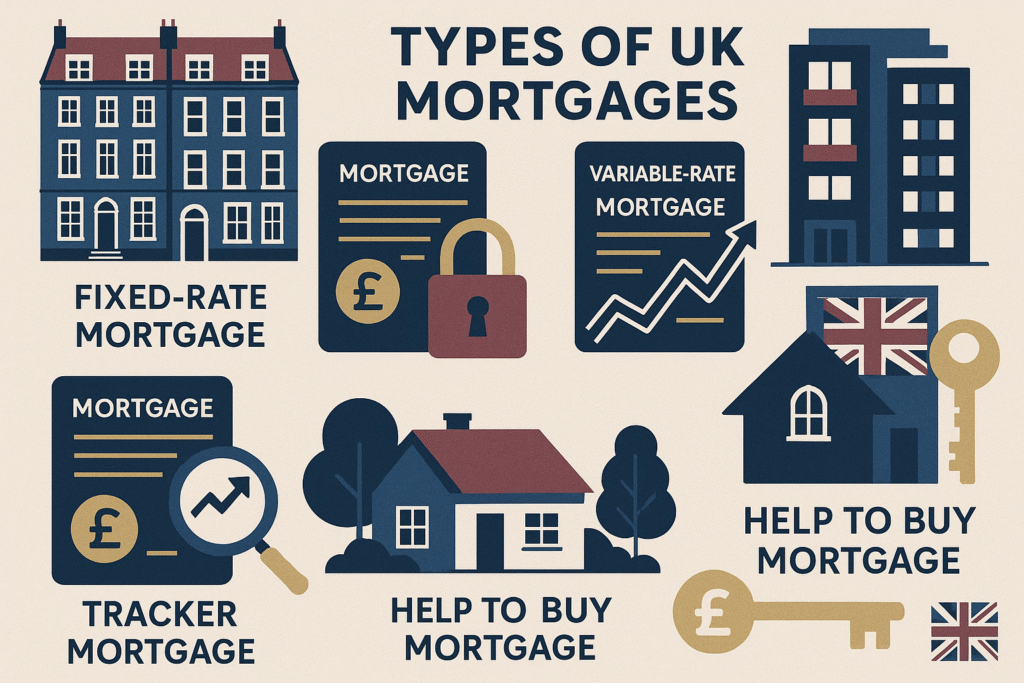
Navigating the UK mortgage landscape can be daunting for expats, but understanding the various types of mortgages available will empower you to make informed decisions. Whether you’re a first-time buyer or looking to invest, grasping mortgage nuances is crucial.
Expats in the UK can choose from different mortgage types, each with unique features tailored to diverse financial situations and risk appetites. Let’s dive into the main options and explore what makes them stand out.
Fixed-Rate vs. Variable-Rate Mortgages
When considering a mortgage, the choice between fixed-rate and variable-rate mortgages often comes to the forefront. Fixed-rate mortgages offer predictable monthly payments, whereas variable-rate mortgages can fluctuate with market interest rates, providing potential savings but also increased risk.
| Mortgage Type | Key Features | Pros | Cons |
|---|---|---|---|
| Fixed-Rate Mortgage |
|
|
|
| Variable-Rate Mortgage |
|
|
|
Lenders Offering Diverse Mortgage Options
Several UK lenders cater to the unique needs of expats, each offering a range of mortgage products. For instance, HSBC is renowned for its competitive fixed-rate mortgages, while Barclays frequently provides attractive variable-rate options. It’s essential to shop around and consult mortgage advisers to find the best fit for your personal circumstances.
“Choosing the right mortgage is like finding a pair of shoes; comfort and fit are paramount.”
Eligibility Criteria for Expats Seeking Mortgages
Embarking on the journey to owning a home in the UK as an expat can be both exciting and challenging. Understanding the eligibility criteria is the first step in turning your dream of property ownership into reality.
To qualify for a mortgage in the UK, expats must meet certain criteria which differ slightly from those for residents. These requirements ensure that lenders have a clear understanding of the applicant’s financial situation and residency status.
Understanding Income and Residency Documentation
As an expat, proving your financial stability is crucial for securing a mortgage. Lenders need assurance that you have a steady income and that your residency status in the UK is legitimate. Therefore, it’s essential to prepare the necessary documentation meticulously.
Income Proof: Lenders typically require pay slips, tax returns, or bank statements from the past six months. If you’re self-employed, additional documentation such as profit and loss statements may be necessary.
Residency Status: Documenting your legal right to reside in the UK is non-negotiable. Ensure you have a valid visa, or if you’re a permanent resident, a certificate of residency. Lenders may also ask for utility bills or rental agreements to confirm your UK address.
Credit History and International Banking Relations
Your credit history plays a pivotal role in the mortgage approval process. Having a good credit score can significantly enhance your chances of getting approved. Moreover, maintaining sound banking relations both domestically and internationally can further solidify your application.
A strong credit record indicates financial responsibility, while solid banking relations can demonstrate stability and reliability. If your credit history is less than stellar, consider taking steps to improve it before applying.
“A comprehensive and transparent financial profile is the key to unlocking mortgage opportunities in the UK.”
Essential Documents for Your Mortgage Application
Before you start the application process, gather all necessary documents. This preparation can streamline the process and reduce potential delays.
- Proof of Identity (Passport or National ID)
- Proof of Address (Utility Bills or Rent Agreement)
- Proof of Income (Pay Slips or Tax Returns)
- Visa or Residency Documents
- Bank Statements (Last 6 Months)
- Credit History Report
Having these documents ready not only simplifies the process for you but also presents you as a serious and prepared buyer to potential lenders.
Challenges and Solutions for Expats
Embarking on the journey to secure a mortgage in the UK as an expat can often feel like navigating a complex labyrinth. With unique hurdles and peculiar requirements, it’s crucial to be prepared and informed.
Understanding these challenges and how to tackle them is essential for any expat seeking to plant roots in the UK. Let’s delve into some of the common obstacles and the strategies available to ease the path to homeownership.
Overcoming Income Verification Challenges
Many expats face significant challenges when it comes to proving their income to UK lenders. This often stems from having foreign income sources or a lack of credit history in the UK. Lenders usually prefer applicants with a clear and steady income history in the UK, which can be problematic for expats.
To overcome this obstacle, expats should consider:
- Providing detailed documentation from their foreign employers, including salary statements and contracts.
- Opening a UK bank account to establish a financial footprint and credit history.
- Working with a financial advisor who understands the intricacies of expat finances and can present their income in a manner favorable to lenders.
Navigating Complex Legal and Tax Implications
The legal and tax landscape of securing a mortgage as an expat can be overwhelmingly complex. Different rules may apply depending on your country of origin and residence status in the UK, making it crucial to seek expert guidance.
Key strategies include:
- Consulting a tax advisor to understand the implications of purchasing property in the UK.
- Reviewing tax treaties that might exist between your home country and the UK to minimize tax liabilities.
- Engaging a solicitor with experience in expat real estate transactions to ensure compliance with all legal requirements.
Benefits of Using a Mortgage Broker vs. Direct Application
When it comes to navigating the mortgage landscape as an expat, choosing between a mortgage broker and applying directly to lenders can significantly impact your experience and success.
| Aspect | Mortgage Broker | Direct Application |
|---|---|---|
| Expertise | Provides tailored advice and extensive market knowledge. | Limited to the products of one lender, less comparative insight. |
| Access | Access to a wide range of lenders and exclusive deals. | Access restricted to one lender’s products only. |
| Time Efficiency | Handles paperwork and negotiations, saving time. | Requires direct handling of applications and paperwork. |
| Cost | May charge fees but often offset by savings from exclusive deals. | No broker fees, but potential missed savings from lack of market access. |
“The right financial advisor can transform the daunting task of securing a mortgage into a seamless experience.”
Ultimately, the path to homeownership in the UK as an expat hinges on understanding these challenges and leveraging the right resources to overcome them.
Currency and Exchange Rate Considerations
Embarking on the journey of securing a mortgage in the UK as an expat requires navigating the intricate maze of currency and exchange rate fluctuations. These factors can significantly alter the landscape of your financial commitments, making it vital to understand their implications and explore strategies to safeguard against potential risks.
Currency fluctuations can dramatically impact your mortgage repayments. Imagine diligently budgeting in your local currency, only to find that a shift in exchange rates has suddenly increased your monthly payment. This volatility can strain finances, emphasizing the need for effective strategies to mitigate currency risk.
The Impact of Currency Fluctuations on Mortgage Repayments
As an expat, currency fluctuations can be both a boon and a bane. On one hand, a favorable exchange rate can reduce the cost of your mortgage repayments; on the other, an unfavorable swing can increase your financial burden. It’s crucial to be prepared for such changes.
Hedging Against Currency Risk
Expats have several methods at their disposal to hedge against currency risk. By understanding different approaches, you can choose the one that best suits your financial situation and risk appetite.
- Forward Contracts: Lock in an exchange rate for a future date, providing certainty in budgeting.
- Option Contracts: Secure the right, but not the obligation, to exchange currencies at a predetermined rate, offering flexibility.
- Multi-Currency Mortgages: Tailored solutions that allow repayments in multiple currencies, buffering against adverse currency shifts.
Financial Products for Managing Exchange Rates
Expats can explore a variety of financial products specifically designed to manage exchange rate challenges.
| Product | Feature | Benefit |
|---|---|---|
| Foreign Exchange Forwards | Fixed future price | Predictability in repayments |
| FX Options | Flexibility with protection | Cost-effective risk management |
| Currency Swap Agreements | Exchange of principal and interest in different currencies | Dual protection against rate fluctuations |
Currency Risk Management Strategies
Adopting robust currency risk management strategies is paramount for expats dealing with mortgages in foreign currencies.
“A proactive approach to managing currency risk is not just a tool for safeguarding your finances, it’s an essential component of international financial planning. By employing forward contracts, options, and multi-currency accounts, expats can transform potential volatility into strategic financial opportunities.”
Tax Implications for Expats with UK Mortgages
Owning property in the UK as an expat introduces a web of tax considerations that demand careful navigation. Understanding these implications not only aids in compliance but also optimizes the financial benefits of property ownership.
From capital gains tax to income tax on rental income, the landscape can be complex. Let’s delve into the details of these tax obligations and explore strategies to handle them efficiently.
Understanding Tax Types and Liabilities
Expats should be aware of the various tax types that can affect those with UK mortgages. These taxes can impact your financial portfolio significantly, but with solid knowledge, you can manage them effectively. The table below artikels the key tax types, their descriptions, impacts, and potential relief options:
| Tax Type | Description | Impact | Relief Options |
|---|---|---|---|
| Income Tax | Tax on rental income from UK property. | Reduces net rental income. | Personal allowance, expense deductions. |
| Capital Gains Tax | Tax on profit from property sale. | Liability on any property sale profit. | Private residence relief, annual exemption. |
| Stamp Duty Land Tax | Paid upon purchasing property in the UK. | Increases initial purchase cost. | First-time buyer relief. |
Tax-Efficient Mortgage Management for Expats
Managing a mortgage in a tax-efficient manner requires strategic planning. For instance, leveraging expense deductions can significantly reduce taxable rental income. Costs such as property management fees, repairs, and mortgage interest payments are potential deductions. Additionally, utilizing personal allowances can further lessen tax liabilities, allowing expats to maximize their income retention.
Consider the example of an expat renting out a UK property: by meticulously documenting all property-related expenses and staying updated on policy changes, they can adeptly manage their tax burden. Employing a UK-based tax advisor familiar with expat circumstances can also provide tailored insights and strategies, ensuring compliance while safeguarding financial interests.
Refinancing Options for Expats
For expats living abroad, refinancing a mortgage can be a strategic move that unlocks better financial terms and aligns with their evolving needs. With interest rates fluctuating and personal circumstances changing, understanding the ins and outs of refinancing is essential.
Refinancing is essentially replacing an existing mortgage with a new one, usually with different terms. This process can provide expats with the opportunity to secure lower interest rates, switch from variable to fixed rates, or leverage home equity for other investments.
Diverse Refinancing Options and Their Requirements
Expats have several refinancing paths to consider, each with unique requirements and benefits. Understanding these options allows expats to tailor their mortgage strategies effectively.
- Rate and Term Refinance: This is the most common type, allowing borrowers to reduce their interest rate or change the loan term.
- Cash-Out Refinance: Suitable for those seeking to leverage home equity, this option provides a lump sum of cash for investment or other purposes.
- Streamline Refinance: Often used for government-backed loans, this offers a simplified process with less documentation required.
Assessing the right time for refinancing involves careful consideration of market trends and personal financial goals. Monitoring interest rates and assessing one’s own economic stability are key factors.
| Refinancing Option | Benefits | Drawbacks | Eligibility |
|---|---|---|---|
| Rate and Term Refinance | Lower interest rates, change loan terms | May incur closing costs, reset loan term | Stable income, good credit |
| Cash-Out Refinance | Access equity, fund large expenses | Higher interest rates, reduces home equity | Significant home equity, investment strategy |
| Streamline Refinance | Less documentation, quicker process | Limited to certain loans, less flexibility | Existing government-backed loans |
Strategies for Timing Your Refinancing Decision
Choosing the optimal moment to refinance requires a strategic approach to maximize benefits. Expats should consider the following strategies:
- Monitor global economic indicators that might affect interest rates.
- Regularly assess your credit score and financial standing.
- Evaluate your long-term housing plans to ensure alignment with refinancing goals.
Refinancing is not just a financial decision; it’s a strategic step towards securing a more stable and prosperous future abroad.
Last Word
As you stand on the brink of new beginnings, remember that the path to securing a UK mortgage as an expat is paved with possibilities. By leveraging the insights and strategies artikeld in this guide, you are empowered to navigate the complexities with confidence. Each step you take brings you closer to unlocking the door to your dream home, a sanctuary where your expat journey finds its perfect setting. Embrace the adventure, and let your UK property ownership story unfold with success and satisfaction.

