Are you a small business owner feeling overwhelmed by the chaos of inventory and accounting tasks? Imagine a world where software solutions take the load off your shoulders, allowing you to focus on growing your business. Welcome to the era of small business inventory and accounting software, where efficiency meets simplicity.
In today’s fast-paced market, staying ahead of the competition means adapting to smarter solutions. This is where inventory and accounting software come into play, transforming tedious tasks into streamlined processes. Ready to unlock the secret to making your business life easier? Let’s dive into the features, benefits, and innovations that are setting the stage for a brighter entrepreneurial future.
Understanding Small Business Inventory Software
In the bustling world of small businesses, efficiency and accuracy are key components to success. That’s where small business inventory software comes into play, offering a powerful blend of functionality and ease-of-use.
This software is designed to simplify the complex task of managing inventory, ensuring that businesses can focus on growth rather than on manual record-keeping. Let’s explore how these systems can transform your operations.
Core Features of Small Business Inventory Software
Small business inventory software is packed with features that streamline operations and enhance productivity. These include real-time inventory tracking, order management, and automated restocking alerts. Furthermore, many solutions offer integration with accounting software, providing a seamless transition from inventory management to financial reporting.
Benefits of Using Inventory Software for Small Businesses
Adopting inventory software brings numerous advantages, from reducing costly errors to optimizing stock levels. Small businesses can enjoy improved accuracy in inventory counts and increased efficiency in order processing. This not only saves time but also enhances customer satisfaction by ensuring products are available when needed.
Challenges Faced Without Inventory Software
Without the aid of inventory software, small businesses often struggle with overstocking or stockouts, leading to lost sales and dissatisfied customers. Manual tracking is prone to errors, resulting in mismatched records and inaccurate forecasting. The lack of automation also increases the workload, diverting attention from strategic business growth.
Comparison of Popular Inventory Software Solutions
The market offers a variety of inventory software tailored to small businesses, each with unique strengths. Here’s a glance at some popular options:
| Software | Key Features | Price Range |
|---|---|---|
| QuickBooks Commerce | Comprehensive inventory management, multi-channel sales integration | $$ |
| Zoho Inventory | Automated workflows, strong analytics | $ |
| TradeGecko | Global reach, detailed reporting | $$$ |
“With the right inventory software, a small business can transform potential headaches into streamlined operations.”
Accounting Software
Imagine being able to master your small business finances with ease and precision. Accounting software is designed to be your best financial companion, simplifying the often complex world of business accounting.
From tracking expenses to generating comprehensive financial reports, accounting software eliminates the guesswork from finance management, allowing business owners to focus on growth and innovation.
Streamlining Financial Tasks
When it comes to handling your business’s finances, automation is key. Accounting software takes the tedious tasks of manual bookkeeping and transforms them into seamless processes. Whether it’s automating invoice generation or simplifying tax calculations, these tools significantly reduce the time and effort required.
- Automated invoicing and billing
- Real-time financial reporting and analytics
- Expense tracking and management
- Payroll processing
- Tax preparation and filing
Integration with Business Tools
Modern accounting software doesn’t operate in a silo; it’s designed to integrate effortlessly with other essential business tools. This integration ensures that data flows seamlessly across platforms, enhancing accuracy and efficiency.
Imagine syncing your accounting software with your CRM, e-commerce, or project management tools. This synergy not only keeps your financial data updated but also provides a holistic view of your business’s performance. As you make strategic decisions, you can confidently rely on data-driven insights that reflect the full spectrum of your business operations.
“Integration is not just a feature; it’s a necessity for holistic business management.”
Top Accounting Software for Small Businesses
Choosing the right accounting software can be daunting, but here’s a quick guide to help you make an informed decision:
| Software | Features | Pricing |
|---|---|---|
| QuickBooks | Invoicing, Expense Tracking, Tax Calculations | Starting at $25/month |
| FreshBooks | Time Tracking, Project Management, Customizable Reports | Starting at $15/month |
| Xero | Bank Reconciliation, Inventory Management, Multi-Currency | Starting at $11/month |
| Wave | Free Invoicing, Expense Tracking, Payroll (Paid Add-on) | Free (with premium features available) |
Integration of Inventory and Accounting Software
Imagine a world where your inventory and accounting systems work in harmony, seamlessly exchanging data and boosting your business’s efficiency. This isn’t just a dream—it’s a reality with integrated inventory and accounting software.
When these systems are integrated, they create a streamlined workflow that reduces manual input, minimizes errors, and saves precious time. This harmonious connection plays a vital role in helping businesses make informed decisions.
Enhancing Efficiency through Integration
Integrating your inventory and accounting software can significantly enhance operational efficiency. By automatically updating inventory levels in real-time when sales are made, businesses can avoid the dreaded stockouts and overstocks. This real-time synchronization ensures that financial records are always accurate and up-to-date, providing a clear picture of your financial health.
Additionally, an integrated system eliminates redundant data entry, reducing the risk of human error and freeing up staff to focus on strategic tasks. It’s a game-changer for businesses looking to scale without the added burden of complex administrative tasks.
Evaluating Software Integration Compatibility
Before taking the plunge into software integration, it’s critical to evaluate compatibility. Here are some key methods to consider:
- Check if the software offers API support for smooth data exchange.
- Ensure that both systems can handle real-time updates without latency issues.
- Verify the ability to customize integration settings to suit specific business needs.
- Review support and customer service options to address potential integration challenges.
Best Practices for Successful Integration
Successfully integrating your inventory and accounting systems requires strategic planning. Here are some best practices to ensure a smooth transition:
- Begin with a comprehensive needs assessment to identify integration goals.
- Engage with a skilled IT professional to oversee the integration process.
- Conduct extensive testing in a controlled environment before full deployment.
- Provide training sessions for staff to familiarize them with the new system.
- Set up a feedback loop to continually refine the integration post-launch.
Integration Features of Popular Software
Below is a responsive table showing the integration features of some popular software options:
| Software | API Support | Real-Time Updates | Customization | Support & Service |
|---|---|---|---|---|
| Software A | Yes | Yes | High | 24/7 |
| Software B | Limited | Partial | Moderate | Business Hours |
| Software C | Yes | Yes | Extensive | 24/7 |
“Integrating systems isn’t just an upgrade—it’s a transformation that empowers your business.”
Cost-Effectiveness and ROI of Software Solutions
In the world of small businesses, every penny counts, and making the right software investment can be a game-changer. Let’s delve into how inventory and accounting software can be a cost-effective solution and what this means for your bottom line.
With the right software, small businesses can automate processes, reduce errors, and save time, all translating into significant financial benefits. However, understanding the cost implications and potential return on investment (ROI) is crucial to making an informed decision.
Understanding the Financial Commitment
Implementing inventory and accounting software requires a clear understanding of initial costs versus long-term benefits. While there might be an upfront investment, these solutions often lead to substantial savings through increased efficiency. To calculate ROI, consider not only the purchase price but also factors such as reduced labor costs and improved inventory management.
Evaluating Return on Investment
Calculating ROI on software purchases involves analyzing the increase in revenue or savings against the software’s cost. Consider the following approach:
- Identify all costs: subscription fees, installation, training, and maintenance.
- Estimate savings: reduced labor hours, less inventory waste, and enhanced operational efficiency.
- Calculate ROI: Divide the net profit (savings minus costs) by the total costs, then multiply by 100 to get a percentage.
The higher the ROI, the more cost-effective the software is for your business.
Comparing Cost-Effectiveness of Software Solutions
Not all software solutions are created equal, and it’s essential to compare their cost-effectiveness. While some may offer lower upfront costs, others provide greater long-term savings. Here’s a comparative look:
| Software Solution | Initial Costs | Long-Term Savings |
|---|---|---|
| Solution A | $2,000 | $10,000 over 5 years |
| Solution B | $3,500 | $15,000 over 5 years |
| Solution C | $1,500 | $8,000 over 5 years |
Analyzing these numbers helps in determining which software provides the best financial return relative to its cost, ensuring you make a smart investment for your business’s future.
Customizing Software for Small Business Needs
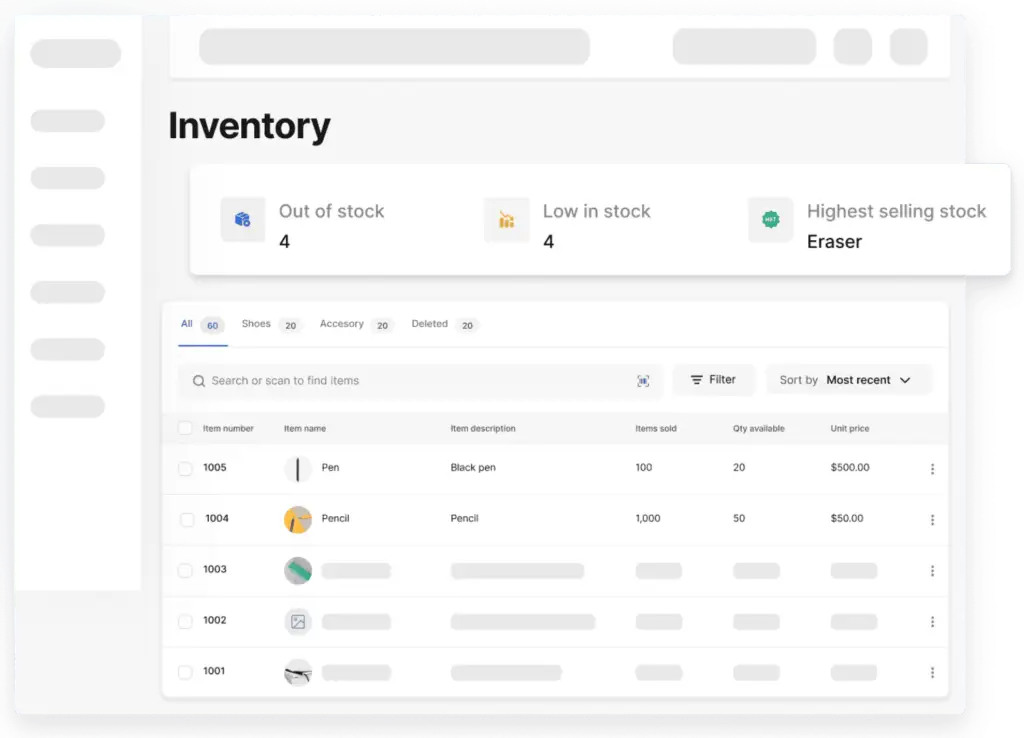
In the ever-evolving landscape of small business management, one-size-fits-all solutions often miss the mark. Customizing software to fit the unique needs of your business can be a game-changer, offering both efficiency and competitive advantage.
Customization allows businesses to tailor their inventory and accounting systems to their specific workflows, enabling better data management and resource allocation. By aligning the software’s functionality with business objectives, small businesses can achieve greater operational harmony.
Steps to Customize Inventory and Accounting Software
The journey to customizing your software solution involves several key steps that ensure the final product is aligned with your business needs.
- Conduct a thorough needs analysis to identify specific requirements.
- Engage in detailed discussions with software providers to explore customization options.
- Develop a timeline and budget for the customization process.
- Test the customized features extensively before full deployment.
- Provide adequate training for staff to maximize the benefits of the new features.
Successful Examples of Software Customization
Let’s dive into a few case studies where customized software solutions have propelled small businesses to new heights:
Case Study 1: A boutique retail store customized its inventory software to integrate with its e-commerce platform. This seamless integration resulted in a 30% increase in online sales within the first quarter.
Case Study 2: A local bakery personalized its accounting software to automate repetitive billing tasks, effectively reducing administrative time by 20% and allowing more focus on customer engagement.
Benefits of Software Customization
Customizing your software can yield a plethora of benefits, enhancing your business’s performance and efficiency significantly.
- Improved Efficiency: Tailored processes align with business operations, reducing manual interventions.
- Enhanced Accuracy: Custom features minimize errors that may arise from using generic software solutions.
- Scalability: As your business grows, customized software can adapt without extensive overhauls.
- Cost-Effectiveness: While initial costs may be higher, the long-term savings and productivity gains justify the investment.
- Competitive Advantage: Unique business needs are met, setting you apart from competitors.
Future Trends in Small Business Software
In the rapidly evolving landscape of small business software, staying ahead means embracing the latest trends and innovations. As technology progresses, inventory and accounting solutions are becoming more integrated, intelligent, and intuitive, promising to reshape how small businesses operate.
Emerging trends are not just about keeping up; they represent opportunities for unprecedented growth and efficiency. Let’s delve into the cutting-edge developments driving change in inventory and accounting software today.
Innovations in Automation and AI
Automation and artificial intelligence are no longer futuristic concepts; they’re vital components of today’s small business software solutions. AI-driven analytics provide deep insights into inventory and financial data, allowing businesses to predict trends and make informed decisions. Automation streamlines routine tasks, freeing up valuable time and resources.
With machine learning, software becomes smarter over time, adapting to the unique needs of a business. The integration of AI improves accuracy in demand forecasting, inventory management, and even personalized customer interactions.
Cloud-Based Solutions for Scalability
The shift towards cloud-based solutions is undeniable, offering unparalleled scalability and accessibility. Small businesses can now access powerful inventory and accounting tools from anywhere, at any time, without the burden of costly hardware investments. Cloud platforms ensure data security and facilitate real-time collaboration, a pivotal advantage in today’s fast-paced market.
Moreover, cloud solutions are inherently flexible, allowing businesses to scale their software capabilities as they grow, ensuring that the technology always meets current demands.
Blockchain for Enhanced Security
Blockchain technology is emerging as a game-changer in enhancing the security and integrity of financial transactions and inventory records. By leveraging blockchain, businesses can ensure tamper-proof and transparent records, reducing the risk of fraud and errors.
As businesses increasingly prioritize data security, blockchain’s role in providing a secure, decentralized ledger becomes ever more crucial, pointing to a future where trust and reliability are guaranteed.
Potential Challenges and Opportunities
With these advancements come both challenges and opportunities. The rapid pace of technological change can be daunting, especially for small businesses with limited resources. However, embracing these trends offers significant competitive advantages.
“The greatest risk in business is not taking any risks. Adapting to change is paramount to success.”
Opportunities lie in leveraging these technologies to optimize operations, enhance customer experiences, and ultimately drive growth. Small businesses that are agile enough to adapt to these changes will be well-positioned to thrive in the future landscape.
Closure
In conclusion, embracing small business inventory and accounting software is not just a choice; it’s a game-changer. As you embark on this journey, remember that the right software can elevate your business to new heights, offering unprecedented efficiency and growth. The future is bright for small businesses willing to leap into the world of streamlined operations. So why wait? Let the software revolution begin, and watch your business thrive like never before.

