Embarking on a business journey in the UK can be an exciting yet daunting endeavor, especially for expats. Navigating through the labyrinth of business structures requires not only a keen understanding of the options available but also how each aligns with your entrepreneurial goals. Are you ready to explore which structure could be the perfect fit for your business vision?
Imagine crafting a venture that not only thrives but also enjoys the benefits of the UK’s dynamic economic landscape. With the right insights and a strategic approach, you can transform your business aspirations into reality. Let’s delve into the essential differences in business structures for expats in the UK, equipping you with the knowledge to make informed decisions.
Types of Business Structures in the UK
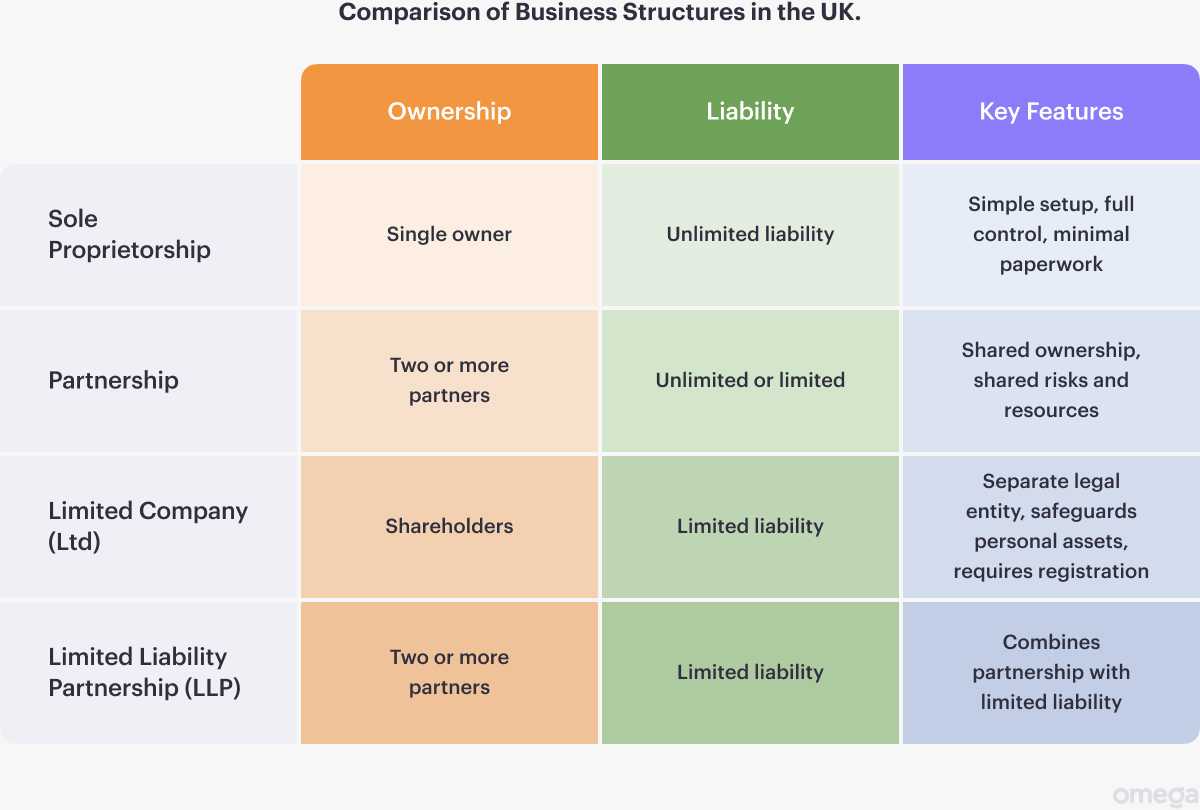
Navigating the landscape of UK business structures can be both exciting and daunting for expats. Here, we explore the various frameworks that can help you establish a successful business in the UK.
The UK offers a range of business structures, each with its own legal and operational nuances. Understanding these can empower expats to make informed decisions when setting up their ventures.
Sole Trader
In the UK, becoming a sole trader is the simplest form of business structure. It’s an attractive option for many due to its straightforward setup and minimal paperwork.
- A sole trader has full control over their business decisions and profits.
- However, they are also personally liable for any debts incurred by the business.
- This structure is ideal for freelancers and small business owners wanting independence.
For expats, the primary advantage is the ease of establishing their business. However, the lack of liability protection might be a downside.
Partnership
A partnership involves two or more individuals who share profits and responsibilities. This can be particularly beneficial for expats wanting to collaborate with local professionals.
- There are two types of partnerships: general and limited.
- General partnerships involve equal liability, while limited partnerships offer some protection for specific partners.
- Partnerships are favored for their combined resources and shared expertise.
While partnerships provide opportunities for shared growth, they also require thorough agreements to manage disputes and responsibilities effectively.
Limited Liability Company (LLC)
A Limited Liability Company (LLC) offers a more formal structure with liability protection, akin to corporations in other countries.
Creating an LLC involves registering with Companies House, which provides both credibility and a separate legal identity for the business. This structure is appealing to expats seeking to mitigate personal risk.
- LLCs offer tax flexibility and protect personal assets from business debts.
- However, they require annual reporting and adherence to stricter regulations.
For expats, the enhanced credibility and protection can outweigh the administrative obligations.
Public Limited Company (PLC)
A Public Limited Company (PLC) is a step towards larger ventures, suitable for businesses planning to raise capital through public shares.
It’s a more complex and costly setup, but offers the potential for substantial growth. For expats aiming to create a significant business presence, this structure could be the right choice.
- PLCs must have at least two directors and a company secretary.
- They provide limited liability but require more regulatory compliance.
While attractive for growth, the stringent regulations and initial requirements can be challenging for expats at the early stages of business development.
Comparison of Business Structures
To better understand the differences, consider the key attributes of each structure:
| Business Structure | Liability | Control | Regulation |
|---|---|---|---|
| Sole Trader | Unlimited | Full | Minimal |
| Partnership | Shared | Joint | Moderate |
| LLC | Limited | Shared | Strict |
| PLC | Limited | Board | Very Strict |
“Choosing the right business structure is a strategic decision that shapes your venture’s future success.”
For expats, aligning business objectives with the appropriate structure is crucial for securing a prosperous foothold in the UK market.
Legal Requirements for Expats Setting Up Business
Embarking on the entrepreneurial journey in the UK as an expat is no small feat. With its dynamic market and robust legal system, understanding the legal landscape is critical to your success.
Legal requirements for setting up a business in the UK can vary significantly based on the chosen business structure, and each has its own set of regulations. The process of registration is streamlined, yet it demands attention to detail to ensure compliance with local laws.
Understanding the Legal Landscape
Every expat aiming to start a business in the UK must navigate through certain legal obligations. Key steps involve securing a visa or residency permit, as these are prerequisites for conducting business activities legally within the country. It’s crucial to determine the type of visa that aligns with your business objectives, such as the Innovator Visa designed specifically for entrepreneurs.
Once your residency status is secure, the next step is choosing a business structure. Whether you opt for a sole trader, a limited company, or a partnership, each requires specific registration processes. For instance, registering a limited company involves submitting an application to Companies House, obtaining a unique company name, and preparing essential documents like a memorandum and articles of association.
Registration Procedures for Different Structures
The registration procedure varies depending on the business structure you choose. Here’s a quick overview:
- Sole Trader: Register with HM Revenue and Customs (HMRC) for self-assessment tax returns.
- Limited Company: Register with Companies House, secure a company name, and appoint directors.
- Partnership: Register the partnership with HMRC, and create a partnership agreement outlining responsibilities.
Each structure has its own set of reporting and tax obligations, necessitating careful planning and, often, professional advice to ensure compliance.
Comparative Overview of Legal Obligations
To provide a clearer picture, here’s a comparative table outlining the legal obligations for different business structures:
| Business Structure | Registration Authority | Key Legal Obligations |
|---|---|---|
| Sole Trader | HMRC | Self-assessment tax return, National Insurance payment |
| Limited Company | Companies House | Annual accounts, Corporation Tax, PAYE for employees |
| Partnership | HMRC | Partnership tax return, individual self-assessment |
The UK offers myriad opportunities for expats, but understanding and adhering to the legal framework is the cornerstone of any successful business venture.
Taxation Differences Across Business Structures
Embarking on a business journey in the UK offers a mosaic of opportunities, especially for expats. However, the path you choose can significantly affect your tax obligations.
Each business structure in the UK comes with its own unique taxation requirements and potential benefits or drawbacks. Understanding these distinctions is crucial for expats to make informed decisions that align with their financial goals and business aspirations.
Understanding Tax Obligations for Each Structure
In the UK, selecting the right business structure is not only about operational efficiency but also about optimizing tax responsibilities. Sole traders pay income tax on profits and are liable for National Insurance contributions, which might mean more straightforward accounting but potentially higher personal tax rates on profits. Partnerships share similar tax obligations, with each partner being taxed individually.
Limited companies, on the other hand, face corporation tax on their profits, and directors may take dividends, which can be more tax-efficient. However, corporation tax rates can fluctuate, impacting overall tax liability. Limited liability partnerships (LLPs) blend elements of both, offering the flexibility of a partnership with the tax efficiencies akin to a corporation. Expats need to gauge these structures carefully to align with their financial strategy.
Tax Rates and Obligations Across Structures
For a clearer view, let’s dive into the specific tax rates and obligations for each business structure in the UK, as understanding these can illuminate potential pathways to tax efficiency.
| Business Structure | Tax Type | Tax Rate | Additional Obligations |
|---|---|---|---|
| Sole Trader | Income Tax | 20%-45% (based on income) | National Insurance Contributions |
| Partnership | Income Tax | 20%-45% (on individual profit share) | NICs on individual share |
| Limited Company | Corporation Tax | 19% | Pay As You Earn (PAYE) for employees |
| LLP | Income Tax | 20%-45% (on individual share) | Similar to partnerships |
Choosing the right business structure isn’t just about legality—it’s about understanding the intricate dance of taxes and ensuring your steps lead towards financial success.
Financial Support and Funding Options
Venturing into the UK business landscape as an expat is an exciting endeavor, with a myriad of financial support and funding options available. Navigating these options effectively can be the key to unlocking your business potential.
Understanding the nuances of financial support—from government initiatives to private investments—ensures that you are well-equipped to make informed decisions that align with your business goals.
Diverse Financial Support Channels for Expats
In the UK, expats can tap into a rich variety of financial support channels designed to foster entrepreneurial success. These options include government grants, accessible loans, and private investment opportunities, each offering unique benefits suited to different business structures.
- Government Grants: Ideal for innovative startups, grants offer non-repayable funds. However, they are highly competitive and often require a robust business plan showcasing innovation and potential economic impact.
- Loans: Both government-backed and private sector loans are available, providing the flexibility of repayment terms and interest rates. They are suitable for businesses with clear revenue projections.
- Private Investments: Engaging with angel investors or venture capitalists can infuse your business with significant capital and strategic guidance. This option suits businesses ready to share equity in exchange for substantial funding and expertise.
Comparing Financial Support Options
Choosing the right type of financial support depends on your business structure and specific needs. Here’s a comparison to help guide your decision:
| Funding Option | Advantages | Considerations |
|---|---|---|
| Government Grants | No repayment required; supports innovation | Highly competitive; stringent application process |
| Loans | Flexible terms; supportive of various business types | Interest costs; requires strong financial projections |
| Private Investments | Access to capital and expertise; beneficial for rapid growth | Equity dilution; investor involvement in decisions |
Accessing Funds Effectively as an Expat
For expats, effective access to these financial avenues requires a strategic approach. Building a compelling business case and leveraging networks are pivotal. Here are methods to streamline the process:
- Research and Preparation: Understand the criteria and prepare a comprehensive business plan tailored to each funding source.
- Networking: Establish connections with local business communities and funding bodies to gain insights and recommendations.
- Professional Guidance: Engage financial advisors with expertise in cross-border business to navigate complex funding landscapes.
Securing the right financial support can transform your business vision into reality, empowering your journey in the thriving UK market.
Cultural Considerations in Business Practices
Embarking on a business venture in a new cultural landscape is both an exhilarating and challenging journey for expats. Understanding the nuances of British business culture can make the difference between merely surviving and truly thriving.
While the UK is renowned for its rich history and traditions, these elements play a significant role in its business environment, influencing everything from negotiation styles to dress codes.
Understanding Cultural Differences in Business Operations
Business practices in the UK often reflect a unique blend of tradition and modernity. One of the crucial cultural differences is the emphasis on formality and politeness in communication. The British are known for their indirect communication style, which might seem ambiguous to expats used to more direct approaches. It’s important to read between the lines and pay attention to what is not being said, as much as what is articulated.
Moreover, time management holds great significance, with punctuality being a hallmark of professionalism. Being late can be perceived as disrespectful, impacting your business relationships negatively.
Comparative Business Etiquette
Let’s delve deeper into how UK business etiquette compares to that in other countries:
| Aspect | UK | Expat’s Country |
|---|---|---|
| Communication Style | Indirect, formal, and polite | Direct and assertive |
| Meetings | Scheduled in advance and punctual | Flexible timing |
| Business Attire | Formal business wear | Casual or smart casual |
| Decision Making | Consensus-based and cautious | Quick and hierarchical |
Recognizing these differences is the first step toward adapting successfully.
Strategies for Cultural Adaptation
Navigating the intricacies of cultural differences requires a strategic approach. Here are some strategies to ensure a smooth cultural transition:
- Observe and Learn: Spend time observing local business practices and be open to learning from your British colleagues.
- Communicate Clearly: While adapting to indirect communication, ensure your messages remain clear and concise to avoid misunderstandings.
- Build Relationships: Invest time in building strong professional relationships, as trust and rapport are essential in UK business culture.
- Respect Traditions: Be mindful of cultural traditions and holidays, as recognizing them can strengthen your business ties.
By embracing these strategies, expats can seamlessly integrate into the UK business scene, ensuring their ventures not only succeed but also flourish in this vibrant economy.
Resources for Expats in Navigating UK Business Structures
Embarking on a business journey in the UK can be both exciting and challenging for expats. Fortunately, a host of resources and organizations are available to guide and support expats through the complexities of UK business structures.
Understanding these resources and how to leverage them effectively can be the key to a successful business venture in the UK. Whether you’re navigating legal requirements, seeking funding, or understanding local business customs, these resources are invaluable.
Organizations and Support Networks for Expats
Several organizations are dedicated to assisting expats in establishing their businesses in the UK. They offer a range of services, from legal advice to networking opportunities.
- UK Trade & Investment (UKTI): Provides tailored advice and support to expats aiming to invest in the UK, offering insights into market opportunities.
- British Chambers of Commerce (BCC): Connects expat entrepreneurs with local business communities, offering networking events and professional development resources.
- The Federation of Small Businesses (FSB): Offers resources on legal protection and advocacy, as well as a platform for small businesses to voice their concerns.
The Role of Professional Advisors and Consultants
Professional advisors and consultants can be instrumental in navigating the UK business landscape. They provide tailored guidance that can help avoid costly mistakes.
It’s crucial to involve experienced consultants who understand both the UK market and the specific needs of expat businesses. Their expertise can streamline the process of setting up and managing a business efficiently.
Effective Utilization of Available Resources
Maximizing the potential of these resources is essential for business success. Engage actively with support networks, attend workshops, and participate in industry-specific seminars to build a robust foundation for your business.
“Knowledge is power, and utilizing available resources effectively can empower expat entrepreneurs to thrive in the UK market.”
By combining insights from professional advisors with information from reputable sources, expats can craft strategies that align with UK market conditions and cultural expectations.
Last Word
As you set sail on your entrepreneurial voyage in the UK, the right business structure can serve as your compass, guiding you through the complexities of legal requirements, taxation, and cultural nuances. By understanding these critical differences, you can position your venture for success in a competitive market. Your business dreams await—seize the opportunity and turn aspirations into achievements.

